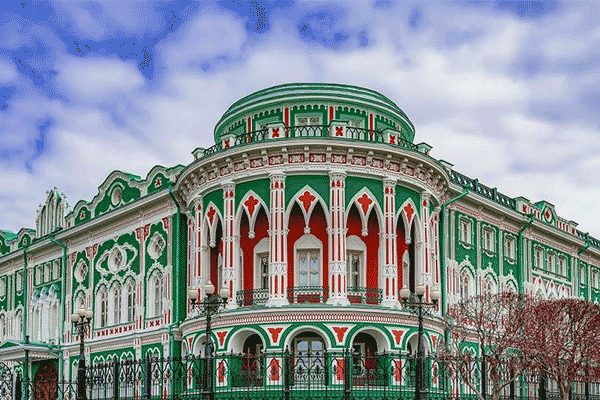
Russia, officially known as the Russian Federation, spans across two continents, Europe and Asia, making it the largest country in the world by land area. Its vast territory covers diverse geographical features, from dense forests and tundra in the north to mountain ranges and steppes in the south. One of Russia’s most notable natural landmarks is Lake Baikal, the deepest and oldest freshwater lake globally, renowned for its crystal-clear waters and unique biodiversity.
Culturally, Russia is a mosaic of ethnicities, languages, and traditions. It is home to numerous indigenous peoples, including the Yakuts, Tatars, and Chukchi, each contributing to the country’s rich cultural tapestry. Russian literature and arts have had a profound impact globally, with iconic writers like Leo Tolstoy and Fyodor Dostoevsky shaping the world’s literary canon.
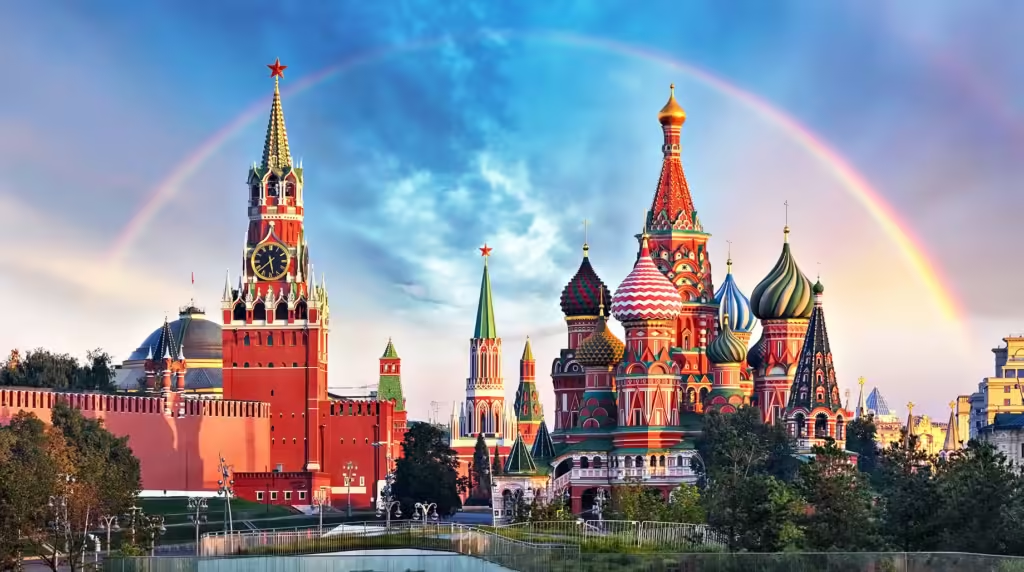
Russia’s history is marked by grandeur and tumultuous change. From the rise of the Kievan Rus’ in the 9th century to the imperial period under the Romanov dynasty and the Soviet era, Russia has seen significant political and social upheavals. The Kremlin in Moscow, with its iconic red walls and golden domes, stands as a symbol of Russia’s enduring power and history.
Today, Russia is a major player in global politics and economics, known for its energy resources, aerospace industry, and technological advancements. Moscow, the capital city, is a bustling metropolis where modern skyscrapers blend with historic landmarks like Red Square and the Bolshoi Theatre. Saint Petersburg, with its elegant palaces and world-class museums like the Hermitage, showcases Russia’s imperial legacy and cultural sophistication.
Traveling through Russia offers a glimpse into its diverse landscapes, from the Arctic Circle in the north to the subtropical beaches of the Black Sea in the south. The Trans-Siberian Railway, stretching from Moscow to Vladivostok, remains one of the world’s greatest train journeys, crossing seven time zones and offering breathtaking views of Russia’s vast wilderness.
In conclusion, Russia’s sheer size, cultural diversity, and historical significance make it a fascinating destination for travelers seeking to explore its natural wonders, delve into its rich heritage, and witness its ongoing evolution on the global stage.
Cities And Regions
Moscow
Moscow, the capital of Russia, is one of the world’s most influential cities and a major center for politics, finance, culture, and tourism. The city is globally renowned for historic landmarks such as the Kremlin, Red Square, and St. Basil’s Cathedral, along with its magnificent metro stations, museums, theatres, and vibrant nightlife.
Combining imperial heritage with modern infrastructure, Moscow offers travelers a unique experience of history, architecture, shopping, and cultural exploration, making it a top destination in Russia.

St. Petersburg
St. Petersburg is Russia’s second-largest city and is widely regarded as the country’s cultural capital. Founded by Peter the Great in 1703, the city reflects strong European influence through its elegant architecture, grand palaces, and scenic canals.
The city is home to iconic landmarks such as the Winter Palace, once the royal residence of the Russian tsars, and the Hermitage Museum, one of the world’s largest and oldest art museums. St. Petersburg is also famous for its classical theatres, historic bridges, and beautifully preserved old town.
Golden Ring
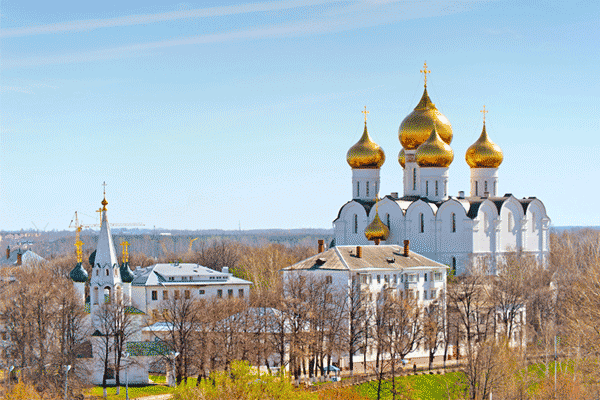
The Golden Ring is a famous group of ancient towns located northeast of Moscow, celebrated for their historic churches, monasteries, and medieval kremlins. These cities represent the heart of old Russia, preserving centuries of architectural beauty, religious traditions, and cultural heritage.
Traveling through the Golden Ring offers a glimpse into Russia’s early history, with picturesque landscapes, traditional wooden houses, and UNESCO-listed monuments that reflect the country’s rich past.
Nizhny Novgorod
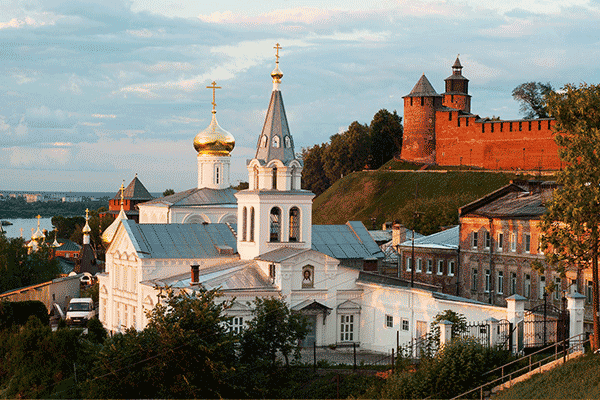
Nizhny Novgorod is one of Russia’s oldest and most important cities, located at the confluence of the Volga and Oka rivers. Known for its rich history and strategic importance, the city has long been a major center of trade, culture, and industry.
The city is famous for the Nizhny Novgorod Kremlin, a well-preserved fortress offering panoramic river views, along with historic streets, museums, and vibrant cultural life. Today, Nizhny Novgorod blends its medieval heritage with modern development, making it a dynamic destination for history lovers and urban travelers alike.
Yekaterinburg
Yekaterinburg is Russia’s fourth-largest city and a major cultural, industrial, and business center located on the Ural Mountains, the traditional boundary between Europe and Asia. Founded in the 18th century, the city plays an important role in Russia’s history and modern development.
The city is known for landmarks such as the Church on the Blood, built on the site of the last Russian royal family, along with museums, theatres, and lively urban districts. Combining historical significance with contemporary lifestyle, Yekaterinburg stands as a key destination connecting two continents.